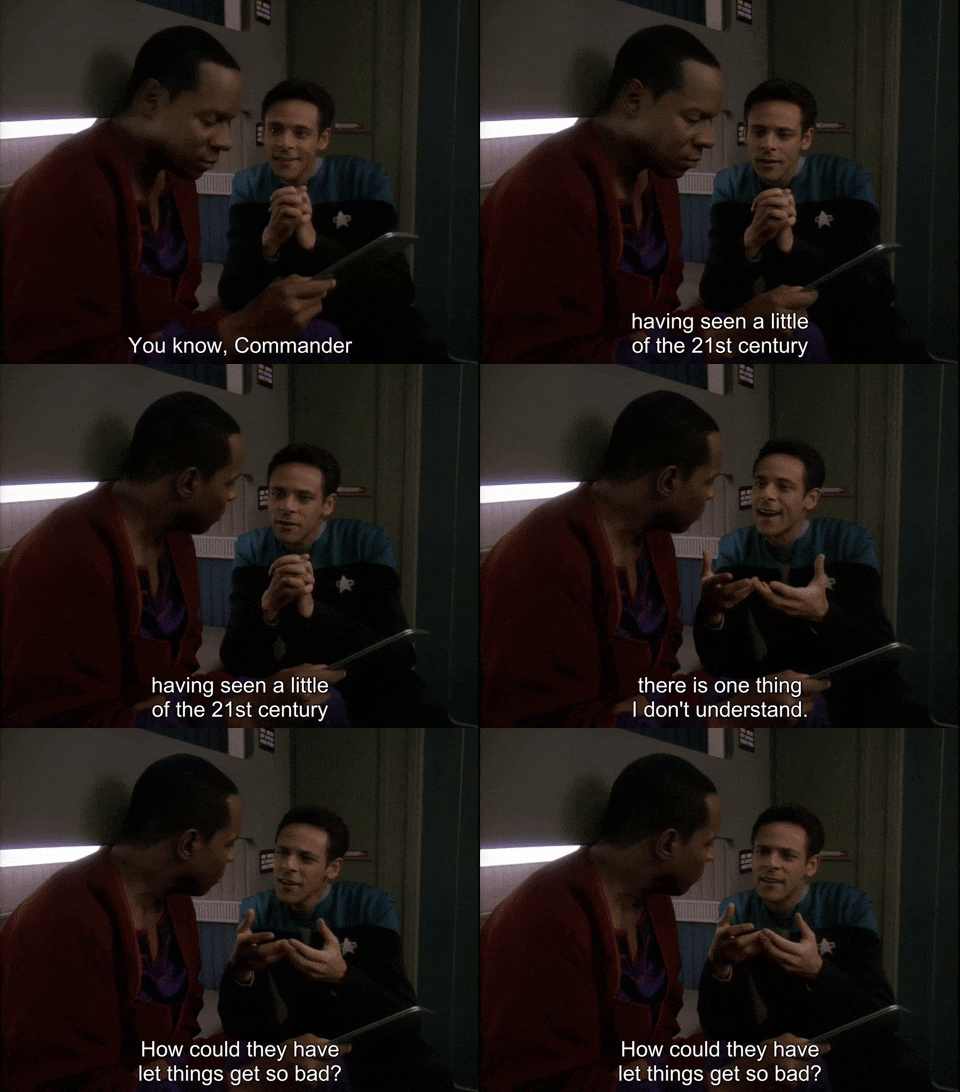
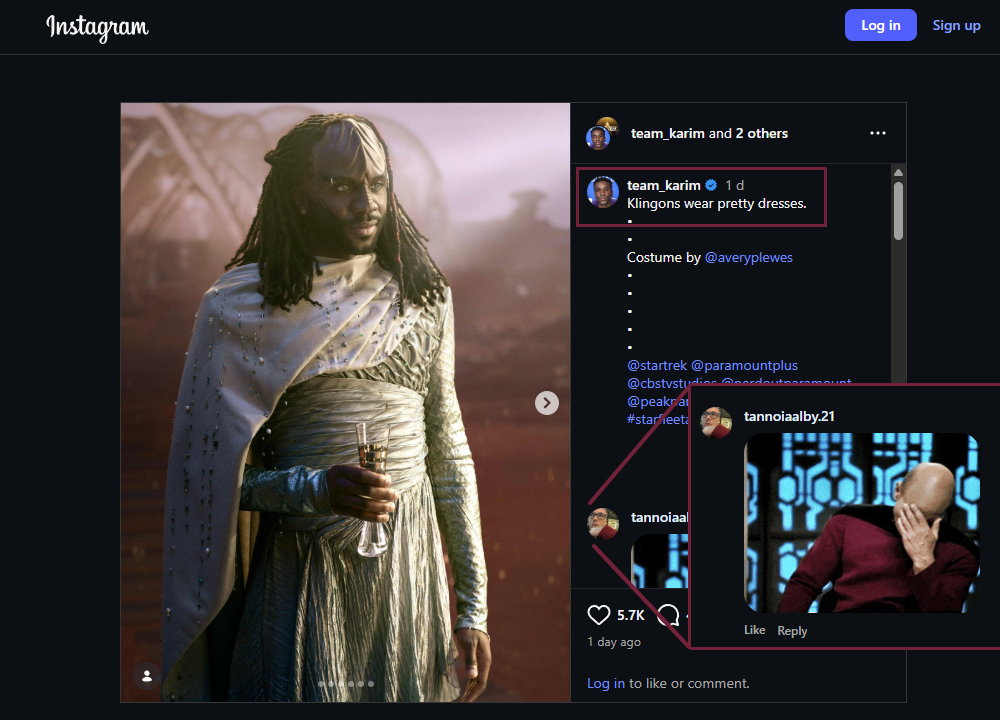
I think I’m with The Drinker here: Star Trek needs to die. We had a good run there for a while, but it seems that all good things must come to an end. These Kurtzman shows are horrible. They are dumb, one-dimensional and an obvious attempt to plaster over slop writing by appealing to the political Zeitgeist. Kurtzman and his team are all about showing how good and decent they are, while being completely oblivious to their own utter incompetence.
Any coder with any chops at all knows that is one thing to write code, and another to debug it (and still another to maintain it, a year or a decade later, which is even harder)
And remember how Nathan Hamiel and I warned you in August that
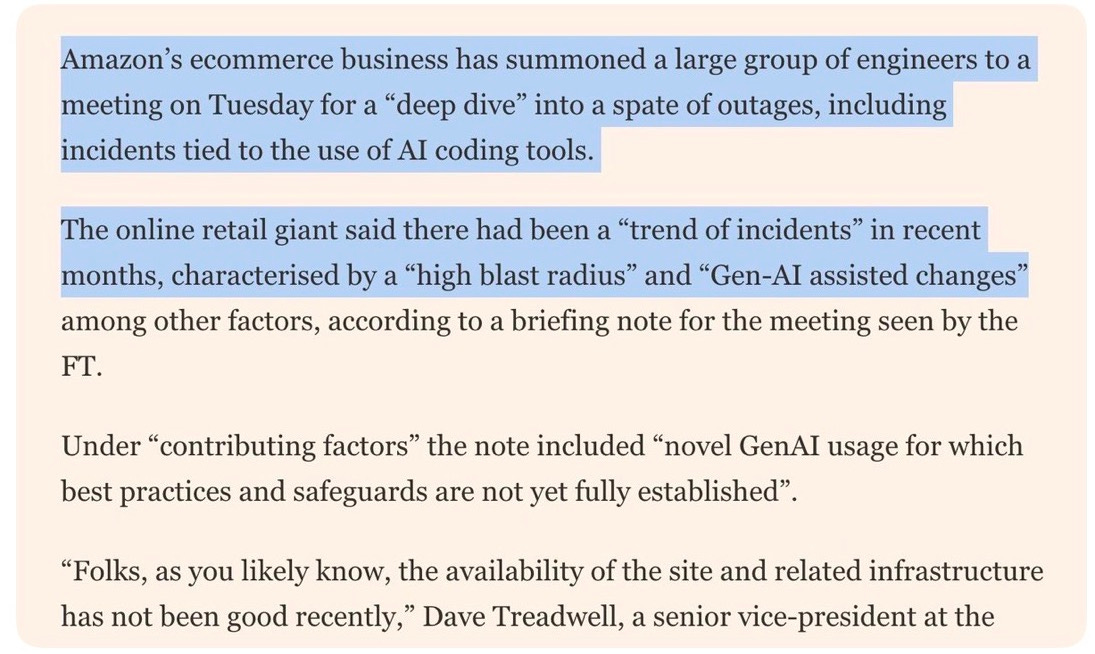
Right on cue, big problems have indeed started to arrive. FT just reported that “Amazon holds engineering meeting following AI-related outages”:
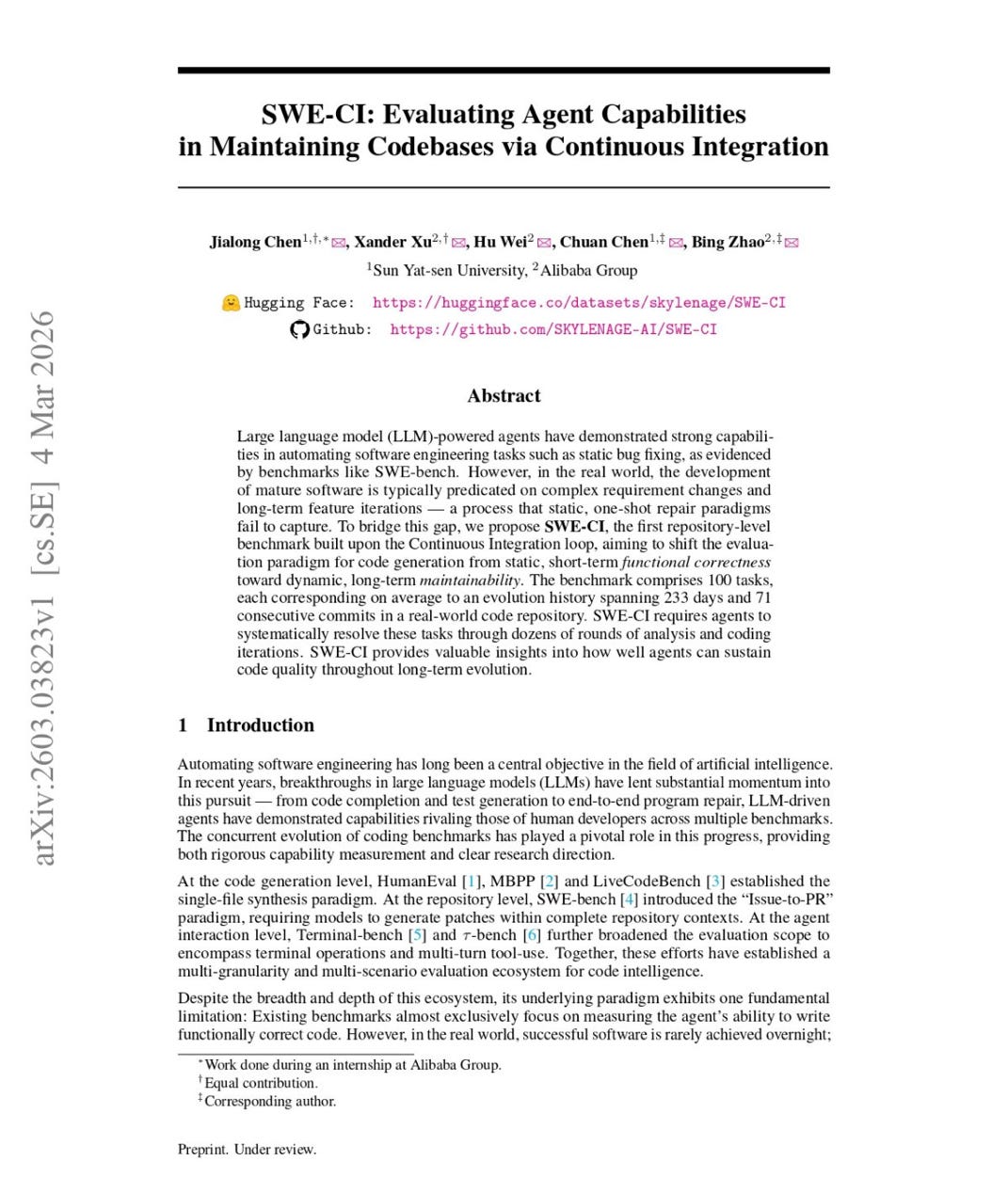
A new study from Sun Yat-sen University and Alibaba reports similar observations in a new benchmark that focuses on long-term maintainability:
As Chris Laub summarized the study on X,
Alibaba tested 18 AI coding agents on 100 real codebases, spanning 233 days each. they failed spectacularly. [It] turns out passing tests once is easy. maintaining code for 8 months without breaking everything is where AI completely collapses.
In fairness, some of the latest systems have done better than earlier ones, but for mission critical systems, even a small number of errors can be deadly. As Amazon is discovering in the real-world.
We may well move to a regime in which AI writes most code — but for a long time to come we are going to need humans to fix the mess.
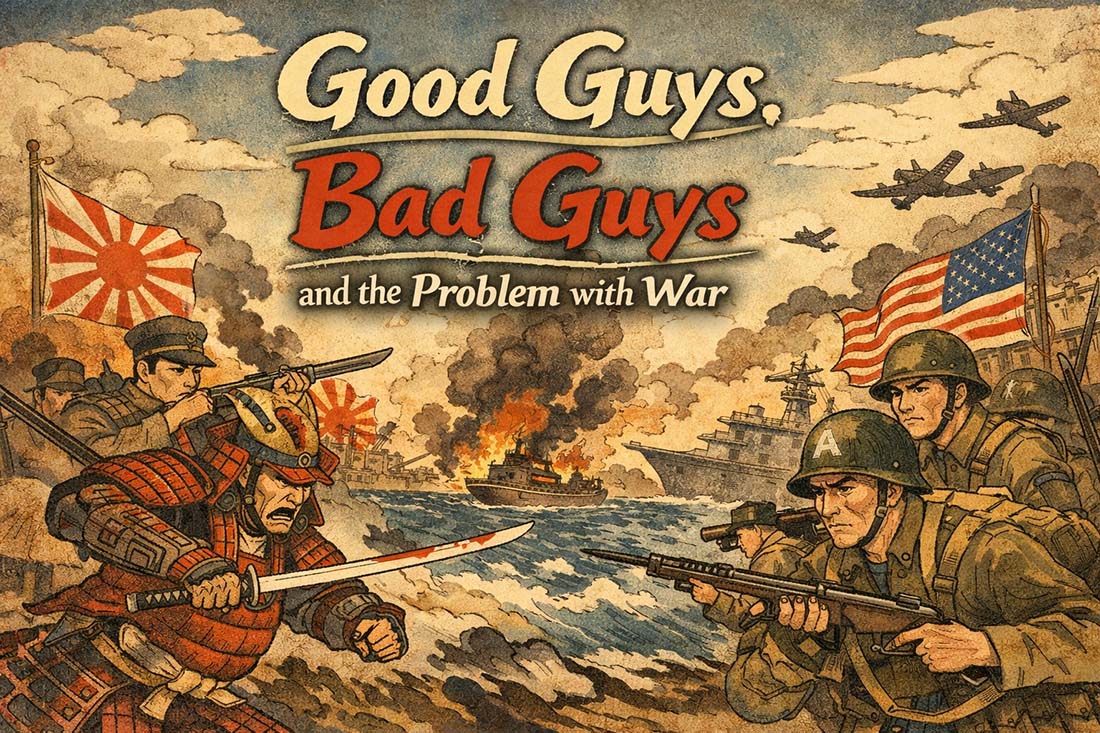
So the other day my oldest asked me about World War II. He asked me if Japan was the bad guy in the war.
Oh man.
Now if you know me, you know I am anti-war. I detest even the very idea of war. Furthermore, I dislike nationalism and am deeply suspicious of patriotism, because it so easily plants the seeds of nationalism. I am not a fan of the Pledge of Allegiance in America for this very reason. It is, quite literally, a pledge of fealty to the state. That has always made me uneasy.
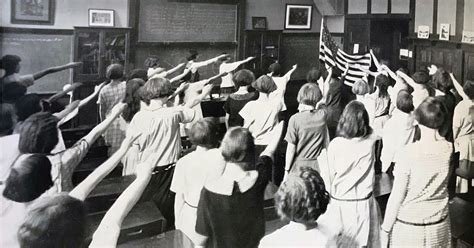
Did you know that originally children in America recited the pledge while performing what looks very much like a Seig Heil?
Well this is awkward
This was called the Bellamy salute. It predates Nazism, but the resemblance is uncomfortable. Once the Nazis became the obvious villains, the United States quietly changed the gesture to a hand over the heart. But the underlying idea — swearing loyalty to the State — never really changed, even if the gesture did.
So yes, I am often critical of America. But I am critical of every country, including Japan. Bad actions are bad actions no matter who commits them, and they should be acknowledged honestly, not excused or buried just because “our side” did them.
And this is part of why I’m uneasy about patriotic ritual.
I told him simply, “Everyone loses in war, and all sides do bad things.” I don’t know why I expected that to satisfy him. Of course it didn’t.
He followed up by asking if it was true that Japan bombed Hawaii. I said it was. He asked if that made Japan the bad guys.
He is Japanese. And he is American. I don’t want him to internalize the idea that one part of himself is somehow shameful or evil. But more importantly, I don’t think history actually works that way. The world is not black and white, and war especially is almost always very grey.
So I said, “What Japan did was terrible. But it didn’t happen in isolation. America had cut Japan off from oil.”
That led to the obvious next question: “So does that make America the bad guys?”
Kids want simple answers. At his age, a truly complex answer would either bore him or fly right past him. But I can at least try to point him toward the idea that history is a chain of causes and reactions, not a morality play with heroes and villains.
I explained that the oil embargo was a response to Japan’s invasion of China. You can guess what came next.
“If Japan invaded China, were they the bad guys?”
That led further back, to how Japan’s militarism didn’t appear out of nowhere, that it was shaped by Western imperialism, by being forcibly opened by American warships a century earlier, and by a desperate attempt to avoid being colonized itself. Everything has roots. Everything has context. Nothing happens in isolation. (I’ve written more about this elsewhere, see my post Perry’s Black Ships and the Opening of Japan.)[1]
We stopped there. He seemed satisfied with the idea that both sides did terrible things, that neither side was innocent, and that calling one “the bad guys” misses something important. Before we ended the conversation, I emphasized one thing above all else: war is always terrible, and no one truly wins.
The cynical part of me wanted to add, “except politicians and corporations,” but I held back. He doesn’t need that layer yet.
Maybe it was a good conversation. I don’t want to tell him what to think. But I do hope I can help guide him toward understanding that the world isn’t simple, history isn’t clean, and war — no matter the flag — is always a tragedy.
I guess I never got around to posting that one here. This is at my Hive blog, where I post more rough drafts and explore ideas that eventually make their way here in a more complete form. ↩
 Log in

 reply
reply